A New Gulf Frontier for Global Property Professionals
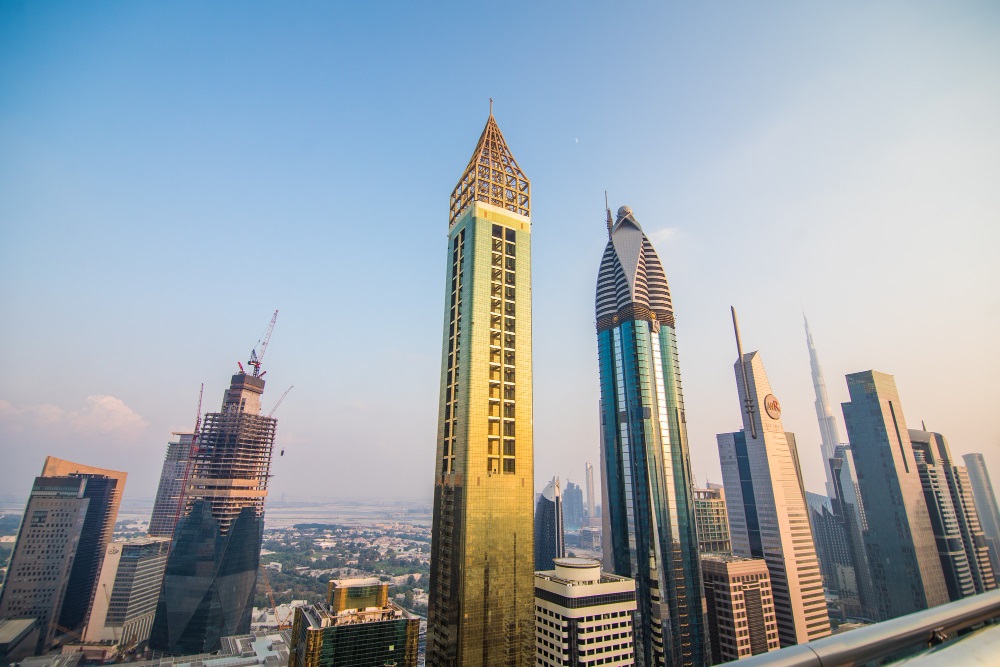
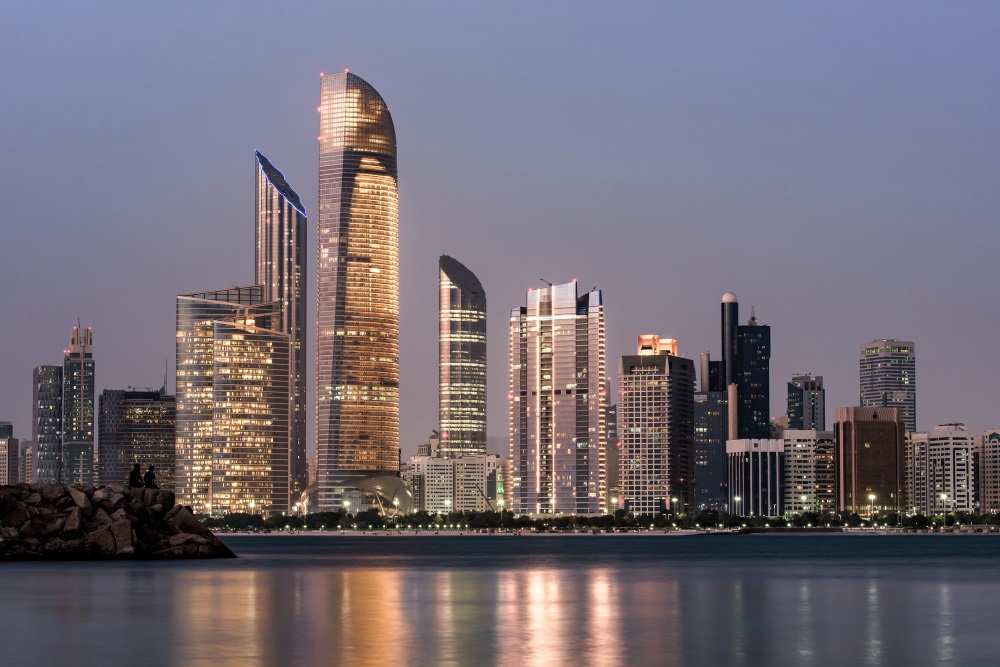
There is a new gravitational centre in global real estate, and its pull is unmistakable. As glass towers rise across Lusail, The Pearl continues to redefine luxury, and Doha’s skyline competes with Manhattan’s, Qatar is fast becoming a powerhouse in property development—and, critically, in real estate employment.
In 2025, this Gulf state, best known for its vast energy reserves and assertive diplomacy, is building something more enduring: a diversified knowledge economy with real estate at its heart. The opportunity for international professionals is no longer speculative—it is structural, policy-driven, and strategically financed.
For planners, architects, sales consultants, and asset managers alike, the message is clear: Qatar is open for business, and it is hiring.
A Post-World Cup Legacy in Full Swing
The 2022 FIFA World Cup may be receding in the rear-view mirror, but its impact on Qatar’s real estate sector is anything but short-lived. The tournament catalysed a wave of infrastructure spending, delivering over $220 billion in upgrades across transportation, hospitality, retail and residential. Crucially, these developments were not built solely for a four-week event—they were designed as permanent foundations for a long-term growth model.
According to the Qatar Ministry of Municipality, more than 36 major mixed-use projects are now either underway or in advanced stages of planning. Leading the charge are mega-developments such as Lusail City, Msheireb Downtown, and The Pearl-Qatar, each backed by substantial public and private capital.
This activity has translated directly into real estate jobs. From project conception to completion, the demand for built-environment professionals has grown steadily since 2023—and in 2025, it is surging.
Real Estate in a Diversified Economy
At the heart of Qatar’s property job boom is a broader economic vision. The state’s Qatar National Vision 2030 outlines a shift away from hydrocarbon dependency and toward sustainable urban development, financial services, tourism and logistics. Property, as both asset and facilitator, plays a critical role in that transformation.
The country’s real estate sector now contributes approximately 10% of GDP, up from 6.5% in 2018, according to figures from the Planning and Statistics Authority (PSA). That growth has coincided with sweeping legislative reform aimed at opening up the market to international buyers and institutional investors alike.
These reforms include the expansion of freehold zones, the streamlining of licensing procedures, and the creation of Qatar Free Zones (QFZ)—jurisdictions such as Ras Bufontas and Umm Alhoul that allow full foreign ownership and long-term tax exemptions.
What this means for international property professionals is access to a regulated, transparent and increasingly globalised employment market.
Key Employers and Institutions
Jobseekers considering a move to Qatar’s real estate sector will encounter a mix of government-linked developers, private construction giants, global consultancies, and emerging proptech players.
Among the most prominent hiring institutions in 2025:
Qatari Diar: A sovereign-owned developer with more than 50 projects across 20 countries, including the flagship Lusail City.
United Development Company (UDC): Master developer of The Pearl-Qatar, offering roles in planning, sales, marketing and facilities management.
Ezdan Real Estate: One of the region’s largest residential landlords, with a strong presence in affordable housing and commercial leasing.
CBRE, Savills, Knight Frank: Each maintains a Doha office and is actively recruiting valuation surveyors, analysts and agency staff.
Msheireb Properties: A subsidiary of Qatar Foundation, pioneering sustainable development in the heart of Doha.
Qatar Free Zones Authority (QFZA): Facilitating inward investment and linked to property-led business parks attracting multinational tenants.
In short, the professional ecosystem is no longer fledgling—it is mature, well-capitalised and primed for international collaboration.
Top Roles in Demand
Qatar’s property employment landscape is broadening across disciplines, as projects grow in scale and sophistication. Among the most sought-after roles:
Urban Planners and Masterplanners
With the expansion of Lusail, Doha’s West Bay, and the industrial port zones, the need for RTPI-accredited professionals is high. Familiarity with GCC-specific urban codes is an advantage.
Sales and Leasing Consultants
Particularly in new luxury developments and commercial towers. Bilingualism (Arabic and English) is advantageous but not always required, especially in expatriate-focused firms.
Valuation Surveyors
RICS accreditation is highly desirable. Roles involve commercial, hospitality and retail asset valuation for local banks and global investors.
Project Managers and Quantity Surveyors
Professionals with cost control, delivery oversight, and contractual management experience are in demand. UK-trained PMs familiar with NEC or FIDIC contracts are especially sought-after.
Facilities and Asset Managers
Particularly in mixed-use developments and shopping centres. IWFM certification and sustainability fluency are increasingly standard requirements.
ESG Specialists and Green Building Consultants
Msheireb and Education City have raised expectations around sustainability. LEED AP or BREEAM credentials are now a hiring differentiator.
Legal and Compliance Officers
Advising on land rights, tenancy law, foreign ownership regulations, and QFZA guidelines.
A Pathway for International Talent
For global professionals, Qatar presents one of the most accessible Gulf property markets in 2025.
The Qatar Work Visa system, overseen by the Ministry of Labour, now includes streamlined routes for those in engineering, property and construction. Employers typically handle the sponsorship process, and most offer relocation support packages that include housing, medical coverage, and schooling for dependants.
Importantly, Qatar’s legal framework recognises many international qualifications, especially from the UK, Europe, Australia and South Africa. RICS, RTPI, CIOB, IWFM and LEED accreditations are all accepted by major employers.
According to data from recruitment firm Michael Page Middle East, nearly 35% of real estate hires in Qatar in 2024 were international, a figure expected to rise further in 2025.
Financial and Lifestyle Incentives
Beyond career growth, Qatar offers compelling fiscal advantages. The country has no personal income tax, and expat salaries in the real estate sector are typically benchmarked against international standards.
For example:
A senior project manager may earn the equivalent of £90,000 to £120,000 per annum, often tax-free.
Chartered valuation surveyors can expect packages ranging between £60,000 and £85,000, including accommodation and flights.
Sales and lettings consultants often benefit from uncapped commission structures, particularly in off-plan luxury projects.
Add to this a high standard of living, low crime rates, and strong expatriate infrastructure (British schools, healthcare, international supermarkets), and Qatar becomes an appealing long-term base for property professionals and their families.
Legal Framework and Employer Credibility
One of the strongest signals of maturity in the Qatari market is its strengthening regulatory infrastructure.
Real estate professionals working in Qatar will likely encounter institutions such as:
The Real Estate Regulatory Authority (RERA-Q): Establishes compliance benchmarks for brokers and agencies.
Qatar Financial Centre (QFC): Regulates financial services and investment-related real estate businesses.
Qatar Chamber of Commerce: Provides professional certification and arbitration services.
Hukoomi.gov.qa: The official government portal offering centralised guidance on employment, residency and licensing.
E-E-A-T compliance in the Qatari context means working within this clearly defined and transparent legal environment—an important consideration for professionals wary of opaque markets elsewhere in the Gulf.
Proptech, Digitalisation, and the Future of Work
Qatar is not just constructing buildings—it is investing in digital infrastructure to match. From BIM-integrated mega-projects to smart home automation in The Pearl, proptech is moving fast.
Qatar’s Smart City strategy, launched in partnership with the Ministry of Communications and Information Technology, promotes data-driven building management, AI-enhanced leasing platforms, and sustainability analytics dashboards.
As a result, roles like Digital Leasing Executive, Smart Building Analyst, and AI-Enabled Asset Manager are entering the job boards.
Employers increasingly seek candidates familiar with:
AutoCAD, Revit, BIM360
Salesforce, HubSpot, and Zoho CRM
LEED compliance platforms and carbon-tracking tools
This fusion of real estate with technology makes Qatar not just a property play—but a forward-looking digital job market too.
Challenges to Navigate
While opportunity abounds, professionals should enter the Qatari market with their eyes open. Key considerations include:
Workplace culture: Hierarchical management is common. Flexibility is improving but Western norms may not always apply.
Housing costs: Although employer-paid housing is standard, independent rentals in prime districts can be expensive.
Labour market nationalisation: ‘Qatarisation’ policies may favour local hires in public sector-linked organisations.
Yet none of these diminish Qatar’s overall attractiveness. They are navigable, and well-supported by relocation specialists, agents, and legal advisers.
Final Thought: A Gulf Capital in Ascent
Qatar has graduated from emerging market to regional anchor. Its property sector is not only growing—it is professionalising, diversifying and internationalising.
For those seeking a stable, tax-free, and future-oriented base to build their real estate careers, Qatar is now competing with Dubai, Singapore, and London. Its mix of master-planned cities, institutional investors, and talent-friendly visa policies puts it at the top of many shortlists.
In 2025, real estate jobs in Qatar are no longer speculative—they’re strategic. And for the internationally mobile professional, they offer both career lift-off and long-term security.
Financial Disclaimer:
The information provided in this article is for general informational purposes only and does not constitute financial advice. While every effort has been made to ensure the accuracy of the content, market conditions may change, and unforeseen risks may arise. The author and publisher of this article do not accept liability for any losses or damages arising directly or indirectly from the use of the information contained herein.
Copyright 2025: property-jobs.agency
Picture: freepik.com